


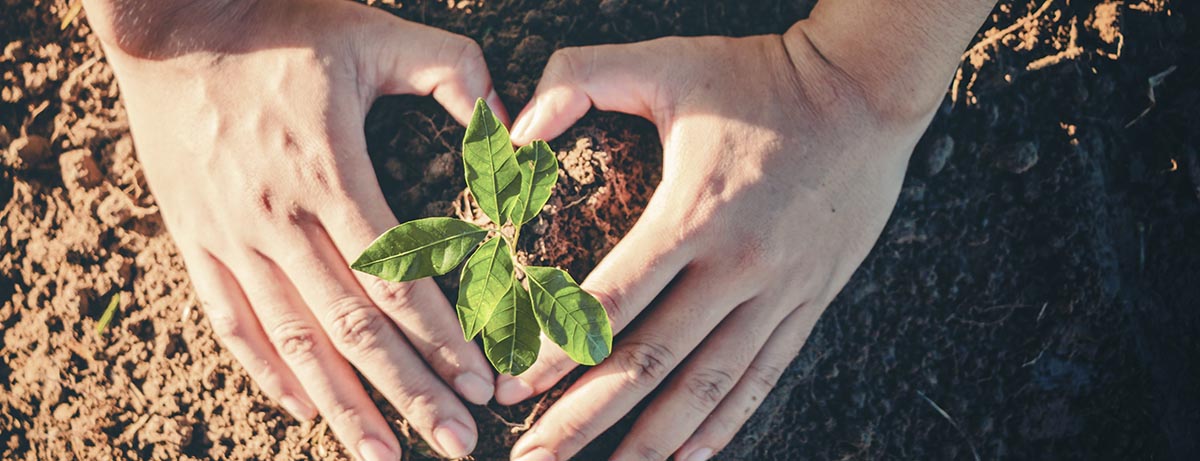
TreeCard is operated by Ecosia, a search engine that has planted more than 110 million trees and is Tree Card’s sole tree planting partner. With your TreeCard debit card, you can grow your own forest and track your impact on the app. You will be able to use your app to monitor forest landscape and grow the trees that help you plant. As we mentioned earlier, Ecosia has already planted 110 million trees from 500 native species in 25 countries, focusing on biodiversity hotspots. Ecosia uses the profits from search advertising to plant trees and says that TreeCard fees generated are used for reforestation projects at 38 sites. More than 60% of spending on TreeCard will be for new trees, and 80% of the profits will go back to deforestation projects.

What Is Treecard Debit Card?
TreeCard is a new MasterCard debit card and accompanying app that claims to plant trees when you spend cash on your regular daily purchases. In an effort to reduce plastic waste, TreeCard is made from sustainable cherry wood from around the world, meaning that each card has its own unique wood grain effect. It is the first wooden debit card that plants trees for daily payments.
When TreeCard realized that there was a limit to the amount people could afford to donate, it launched a free wooden debit card that its users could use to help pay for everyday items. Users can fund tree planting projects with the card in their regular bank as soon as they make a purchase. Like the Tree-Planting Search Engine Ecosias, it provides an easy way to integrate climate action and ecosystem restoration into our daily lives.
How Does The Treecard Debit Card Work?
As soon as you link the TreeCard app to your bank account (s), you can forward your purchases via TreeCard. Each transaction you make directs a portion of the card issuance fees into a tree-planting project run by Ecosia Green, a search engine and pre-seed investor in the card. The number of trees you help plant is displayed in the app to help you track your transactions and encourage mindful spending and consumption habits.
The idea is that for every dollar you spend, they plant a tree in your forest. Merchants pay a small transaction fee, and when $60 is spent, a tree is planted. The card is made from regional, FSC-certified cherry wood, and the card has a unique appearance.
You Can Use All-Digital
For potential users of the digital card linked to various payment apps, it works similarly to the Chime Revolut prepaid debit card, i.e., you can synchronize your bank account and apps in this way. The card can be used for in-store transactions and can also be linked with Apple Pay, Android Pay, and Samsung Pay. Apps linked to the wooden debit card allow users to track spending, monitor how many trees they planted, and shared bills with friends. The FAQ on Ecosia points out that those who use a payment method linked to a smartphone can dispense with a physical card and use a digital account.
You Can Stay At Your Bank
You do not need to change banks; TreeCard can be used with your existing bank. While it is free for users, TreeCard plans to make money with a so-called interchange fee, that is, the payment that merchants make on the in-store card issued by the bank in exchange for permission to pay by card. TreeCard makes money by exchange, a small fee paid by the shop that accepts the payment.
When Does The Treecard Service Start?
The London-based fintech startup TreeCard had opened a waiting list for its new wooden debit card, which uses revenue from fees to plant trees. TreeCard is expected to be launched in early 2021 and will transfer 80% of the profits from transaction fees to the afforestation efforts of Ecosia. This search engine uses its advertising to plant trees. The green search engine that has recently planted 100 million trees says that 80% of the profits that TreeCards will make from debit cards will be reinvested in its reforestation projects worldwide.
Forty thousand people have already signed up to receive the card.
Who Can Apply For A Treecard?
Consumers in the United States and several EU markets can apply for a wooden debit card that can be used digitally for contactless mobile payments and cash withdrawals at banks and ATMs.
Everyone Can Help Refostery
They also have apps that allow you to track your spending, share bills with friends, and monitor how many trees your daily payments have planted. While TreeCard is free for users, it plans to make money from so-called interchange fees for payments to merchants and install cards issued by banks in exchange for card payments.
We like the idea that everyday activities can be a force for environmental and social well-being. Climate change will not be solved if people do not donate. They are working to develop a product that people will love and that will help them reforestry the world.
With the app, you can keep track of the trees you have planted together with your purchases. You can use your app to track how the forest or landscape grows around the trees you have planted. The number of trees you help plant is displayed in the app to help you track your transactions and encourage mindful spending and consumption habits.
A Green Ecosystem
Ecosia and TreeCard are building a whole ecosystem of responsible alternatives to everyday services such as banking and internet search, with profits coming first and the solution to climate change coming second. Ecosia is a close partner of TreeCard. The cooperation between the two companies is growing.
While other card providers offer attractive cashback schemes, Ecosia supports nature. They are investing and working with TreeCard because it is a debit card and generates a significant amount of money to finance tree planting based on our belief that the financial sector needs political reform.
How Can Trees Save The Earth From Global Warming
Artificial intelligence combines tree cover measurements from hundreds of people, 80,000 high-resolution satellite images from Google Earth, and ten essential soil, topography, and climate factors to create a global map of where trees grow. The researchers involved in the study rejected analyses of land use for growing crops in urban areas. On the other hand, a single tree in a commercial crop meets the technical definition of a forest because there is a specific concentration of trees in a given area. When one considers clearing for planting crops and the frequent harvesting of trees, such plantations release more carbon than they contain.
Why Is Tree Planting Good For Reducing Carbon Dioxide?
There is no doubt that trees improve life in many ways, but there is a right way and many wrong ways to protect and grow forests. Tree planting is one of the simplest and most effective ways to combat climate change caused by greenhouse gases. Trees draw the greenhouse gas carbon dioxide from the air through photosynthesis to grow leaves, branches, and roots.
Paris Climate Agreement
When trees grow, they absorb carbon dioxide (CO2), which is an important greenhouse gas in the atmosphere. In addition to the carbon they capture, trees also help capture and store carbon on the soil.
The idea that trees can help to limit global warming was contained in the Paris climate agreement of 2015, and most countries incorporate forest expansion in their plans to reduce emissions. A report from a study by the Intergovernmental Panel on Climate Change estimates that near-natural solutions, including healthy forests, could enable up to one-third of the emission reductions needed to meet the Paris Agreement’s targets by 2030.

How Much Can Tree Planting Help To Reduce Global Warming?
A study led by scientists at Stanford University and the University of Barcelona has highlighted the ability of trees to continue reducing carbon dioxide in the atmosphere. The study points out that CO2 concentrations are increasing and that special attention needs to be paid to the soil balance of nitrogen and phosphorus concentrations. Trees have the most significant potential to halt climate change. It is essential to reduce emissions by 40 GTC per year by restoring forest areas.
That means growing trees, and many of them expect that trees will capture and store carbon dioxide to prevent the world from warming above the 2 degrees Celsius target of the Paris agreement on preindustrial temperatures. But according to a new study published in Frontiers in Forest and Global Change, at least in the United States, not enough trees and seedlings are being grown to achieve this goal. Reforestation efforts can help combat climate change, says the study, but only if nurseries in the US increase their production to three billion seedlings every year, more than double the current level.
Everyone Can Help Refostery
They also have apps that allow you to track your spending, share bills with friends, and monitor how many trees your daily payments have planted. While TreeCard is free for users, it plans to make money from so-called interchange fees for payments to merchants and install cards issued by banks in exchange for card payments.
We like the idea that everyday activities can be a force for environmental and social well-being. Climate change will not be solved if people do not donate. They are working to develop a product that people will love and that will help them reforestry the world.
With the app, you can keep track of the trees you have planted together with your purchases. You can use your app to track how the forest or landscape grows around the trees you have planted. The number of trees you help plant is displayed in the app to help you track your transactions and encourage mindful spending and consumption habits.
A Green Ecosystem
Ecosia and TreeCard are building a whole ecosystem of responsible alternatives to everyday services such as banking and internet search, with profits coming first and the solution to climate change coming second. Ecosia is a close partner of TreeCard. The cooperation between the two companies is growing.
While other card providers offer attractive cashback schemes, Ecosia supports nature. They are investing and working with TreeCard because it is a debit card and generates a significant amount of money to finance tree planting based on our belief that the financial sector needs political reform.
Where Does Ecosia Plant The Trees?
Ecosia uses many different tree-planting techniques depending on the area: it digs crescent-shaped seedbeds in Burkina Faso and pays firefighters to prevent man-made fires. Ecosia has planted 110 million trees from 500 native species in 25 countries, focusing on biodiversity hotspots. Research by its users finances the planting of these trees, which improve the habitat of endangered animals worldwide and help capture thousands of tons of carbon every week.

The Bottom line
Either way, trees can be of great help when it comes to removing man-made emissions of the greenhouse gas carbon dioxide from the Earth’s atmosphere. However, an insignificant part of our daily lives, debit and credit cards, have a significant carbon footprint. In response to these environmental impacts, TreeCard – a fintech startup – is panning a green path for the financial world with its plan to introduce a wooden debit card that uses some of its profits to plant trees. More than 300,000 debit cards are made of wood from one tree, which means that only a few source trees are needed to make them, and of course, these trees will help plant millions of more trees. They put petrol cards and stuff like that in the card wars.

